Free crochet tool
Yarn Calculator: How Much Yarn Do I Need?
To estimate yarn, multiply what your swatch used by the project area divided by the swatch area, then add a 10–15% margin. The most reliable yarn estimate comes from your own swatch. Measure a sample in the project’s stitch, enter the yarn it used and the finished size, and the calculator scales it up.
Crochet a swatch in the project’s stitch, yarn and hook. Measure it, then weigh it or unravel and measure the yarn it used.
How to use the yarn calculator
- Crochet a swatch in the project’s yarn, hook and stitch, then measure its width and height.
- Weigh the swatch, or unravel it and measure the yarn, and enter that amount in grams or metres.
- Enter the finished width and height of the project, and the number of identical pieces.
- Optionally enter how much yarn one ball holds so the result is also shown in balls.
- Choose a safety margin (10% is the default) and read the estimate.
How the estimate works
A swatch tells you how much yarn your hands use for a given area of fabric in a given stitch. The calculator divides the yarn in the swatch by its area, multiplies by the area of the finished project, and adds the safety margin you choose. If you enter how much yarn is in one skein or ball, it divides the total by that amount and rounds up to whole skeins.
Written as a formula: yarn needed = swatch yarn ÷ (swatch width × swatch height) × (project width × project height × number of pieces) × (1 + margin ÷ 100). Every length must use the same unit, and the swatch yarn and skein amount must use the same unit — grams, metres or yards.
Worked example: a lap blanket
You crochet a 10 × 10 cm swatch in half double crochet and it weighs 6 g. Your blanket will be 80 × 100 cm, which is 80 times the swatch area. The fabric itself needs about 480 g. Adding a 10% margin gives 528 g, so with 100 g balls you would buy six. Press “Load worked example” above to see the same numbers in the calculator.
Make a swatch you can trust
Use the exact yarn, hook and stitch pattern of the project, and work a sample a little larger than 10 × 10 cm so you can measure the centre without the edges. Block or wash it the way you will treat the finished piece, let it dry, then measure without stretching. For colourwork, include the colour changes in the swatch, because carried strands add yarn.
If your gauge does not match the pattern, change the hook first and make a new swatch. The crochet gauge calculator shows which direction to change, and how to measure crochet gauge explains the method in detail.
Compare finished sizes using one measured swatch
Use this as a worked example, not a yarn-shopping chart for every blanket. Each row assumes the same 10 × 10 cm swatch uses 6 g, one piece, a 10% margin and 100 g balls. Your yarn, stitch and tension may need a different amount. Borders and joins are not measured here.
On small screens, swipe the table sideways to see all columns.
| Finished size (cm) | Main fabric (g) | With 10% margin (g) | 100 g balls, rounded up |
|---|---|---|---|
| 20 × 20 | 24 | 26.4 | 1 |
| 40 × 40 | 96 | 105.6 | 2 |
| 80 × 100 | 480 | 528 | 6 |
| 100 × 120 | 720 | 792 | 8 |
Download the swatch planning worksheet (CSV) to record your own measurements in a spreadsheet. It includes these example rows and a blank row; it does not automatically calculate your entries. Enter your measurements in the calculator above for a new estimate. No account or email is needed.
What the swatch does not include
Borders, edgings and joining rounds are often worked in a different stitch, and can add a noticeable amount of yarn to a blanket or garment. Fringe and tassels use yarn too. Many small pieces sewn together need extra yarn for seams and tails. For these, estimate the main fabric with the calculator and add a separate allowance, or swatch the border as well.
Shaped and stuffed projects — hats, bags, amigurumi toys — are not flat rectangles. You can approximate a hat or bag by its flat dimensions, but for toys the better method is to weigh a finished part or a similar toy made with the same yarn. Toy patterns and kits usually state the yarn quantity, and that figure should take priority.
How much yarn do I need for an amigurumi?
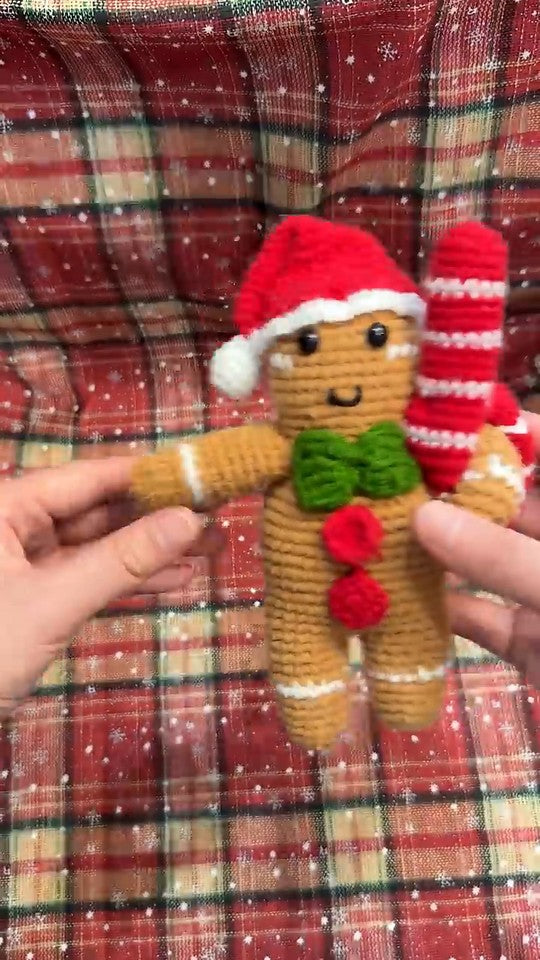
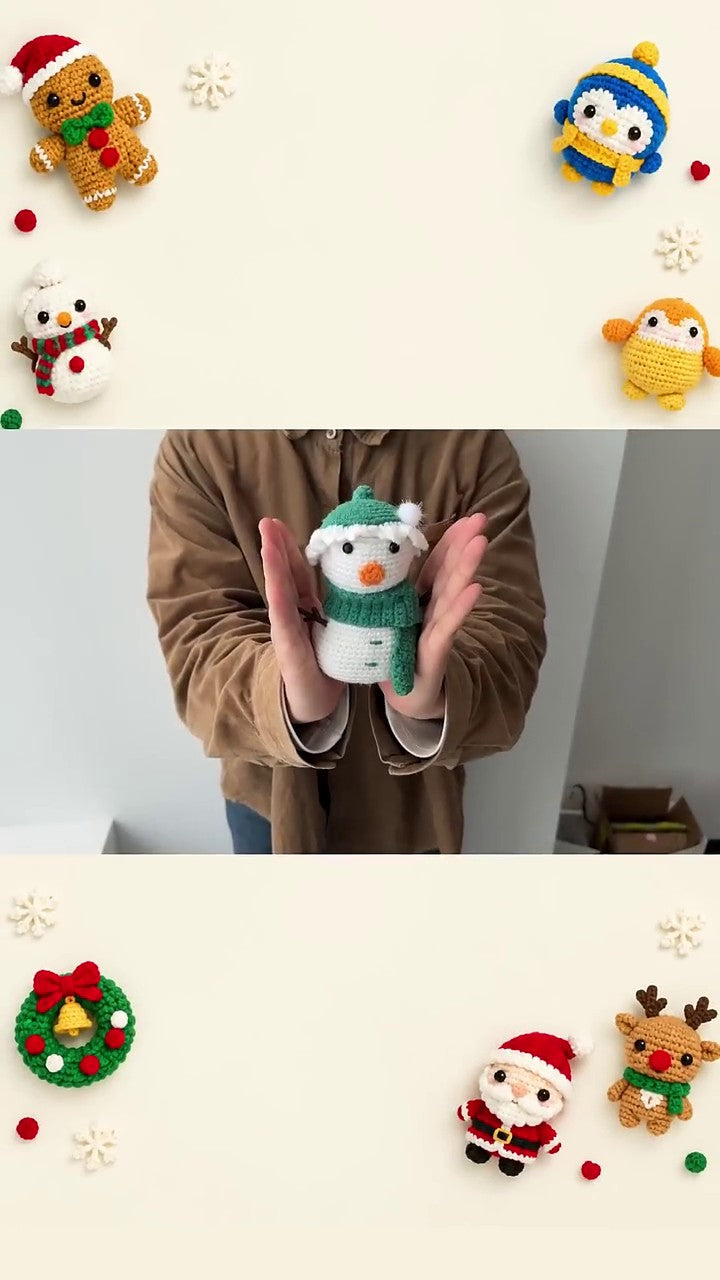
A small amigurumi of about 5–10 cm (2–4 in) usually needs less than one 40–50 g ball of its main colour, plus small amounts of each accent colour. The pattern or kit is the best source: it lists the yarn for that design. If you are adapting a design or using a different yarn, weigh a finished part or a similar toy and scale from there.
- Check the pattern first. If it gives grams or metres for each colour, use those numbers and add a small margin.
- Weigh a finished part. Crochet one piece, such as the head, and weigh it. Multiply by the number of similar pieces and add the smaller parts.
- Convert weight to length with the label. Use the yarn’s own label. For example, a 40 g ball listed at about 128 m gives about 3.2 m per gram; a 40 g ball listed at about 145 m gives about 3.6 m per gram.
- Add a margin. Sewing tails, joins and practice rounds use extra yarn, so add 10–15%.
Prefer paper? Print the free amigurumi yarn estimate worksheet (PDF) and fill in each colour.
Yarn we use, for reference
| Yarn | Fibre | Ball | Length per ball |
|---|---|---|---|
| Milk cotton (used in some of our kits) | 60% cotton, 40% milk acrylic | 40 g | about 128 m |
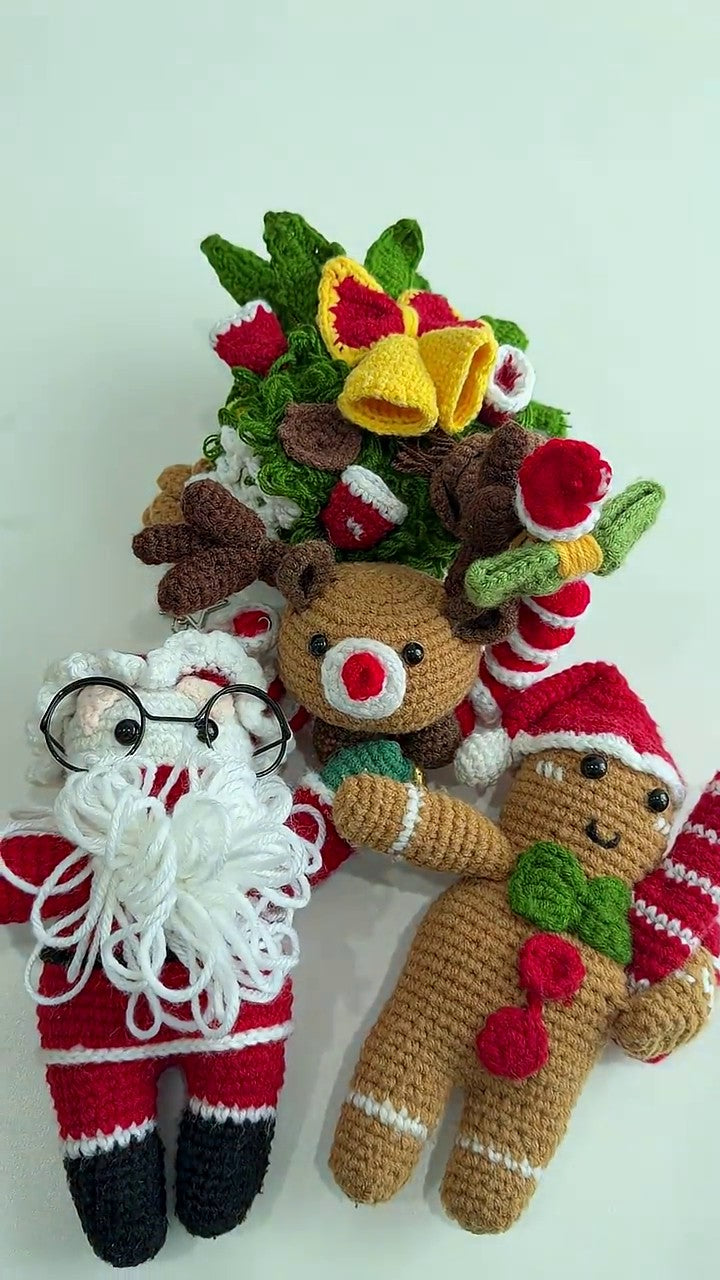
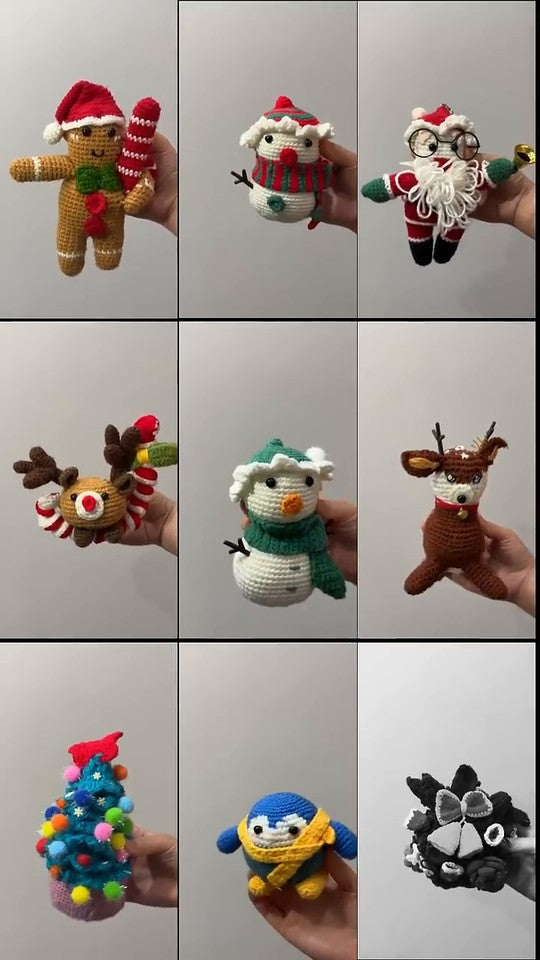
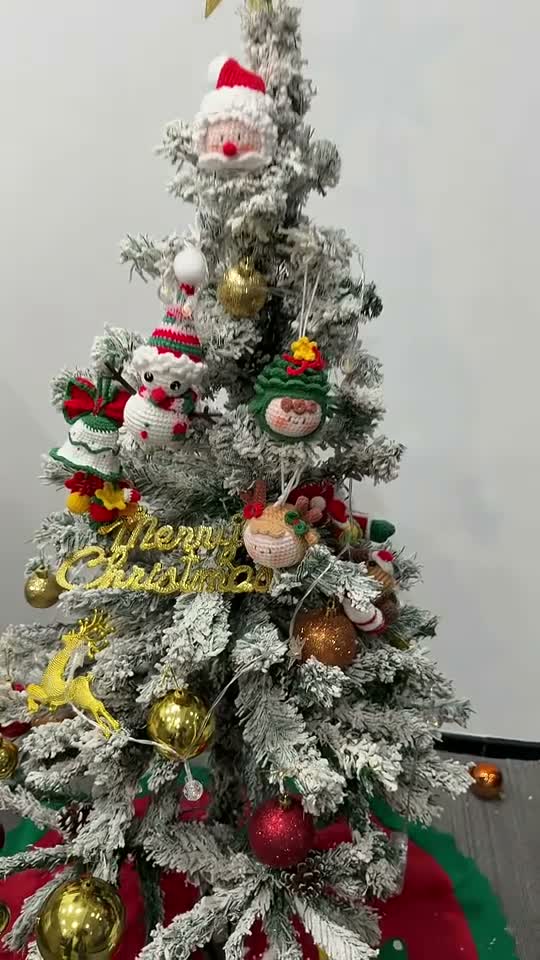
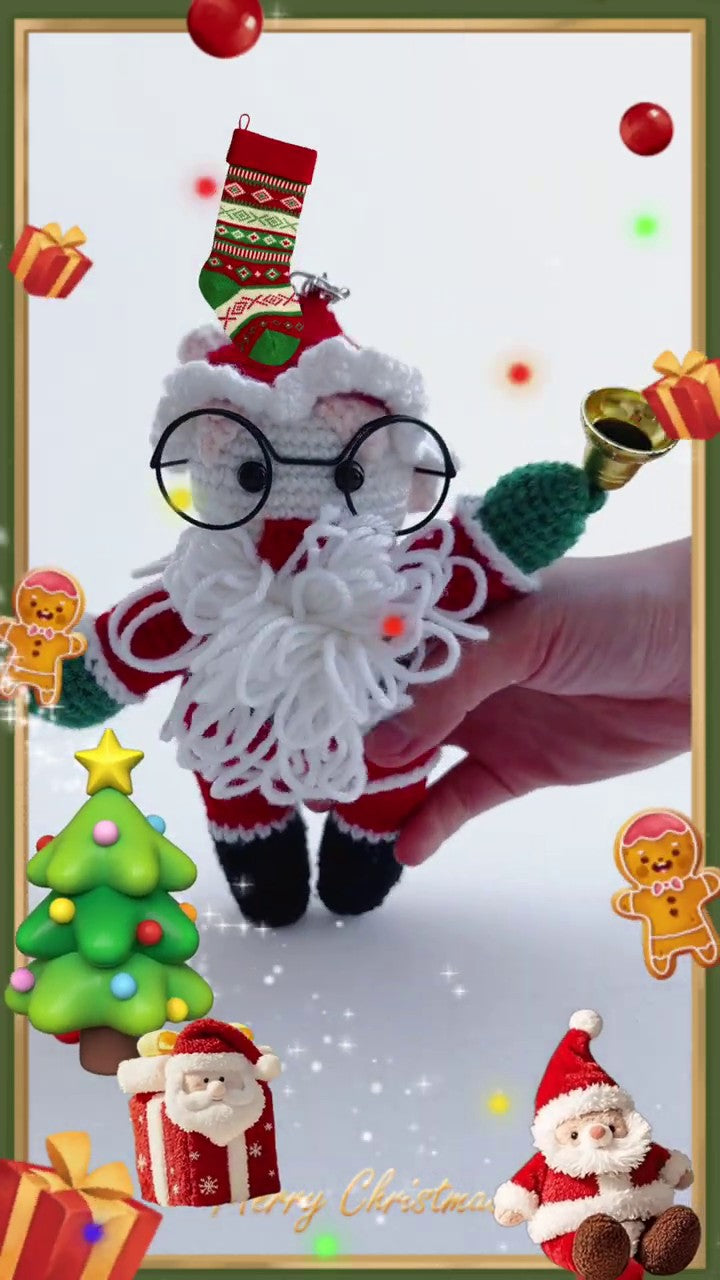
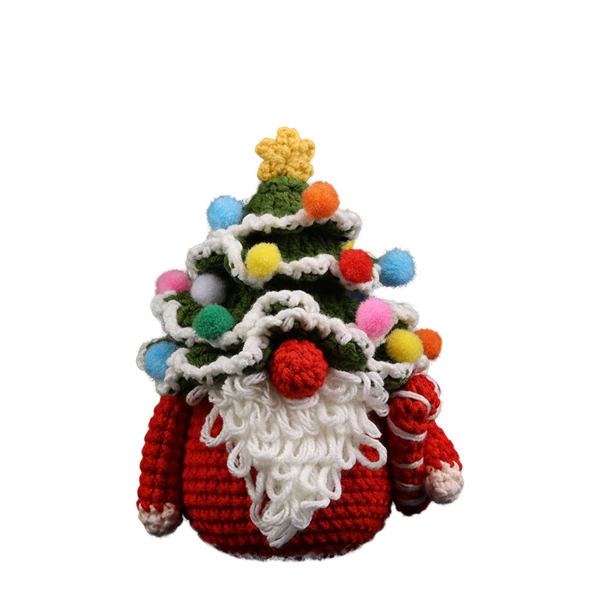
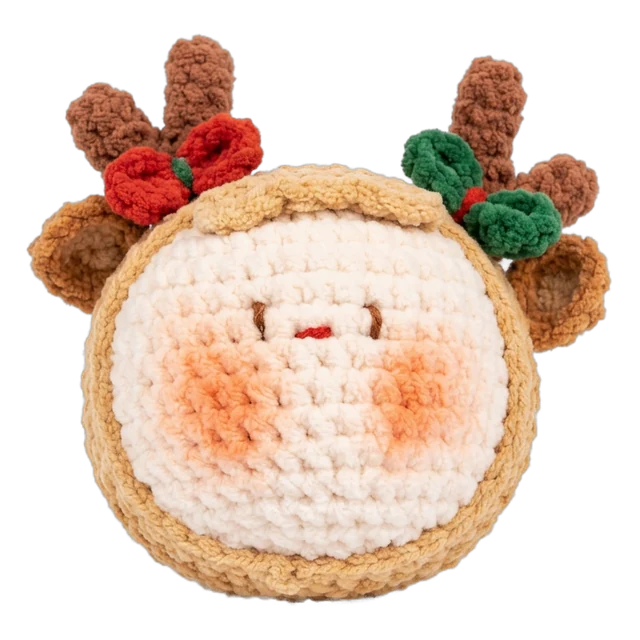
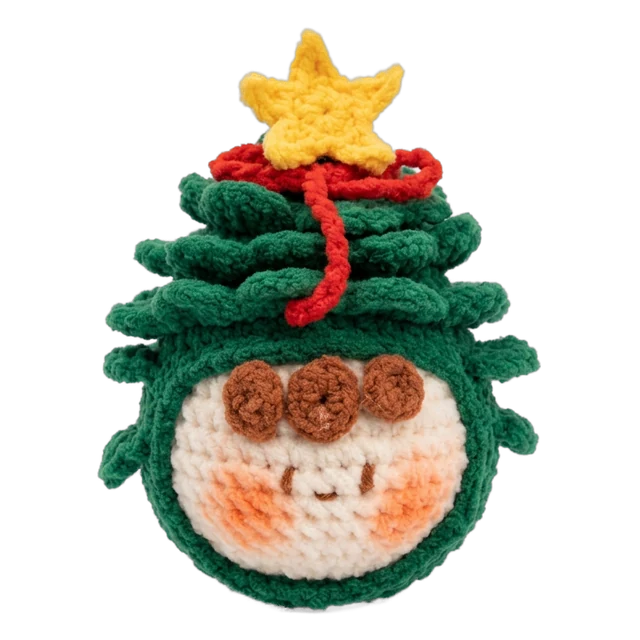
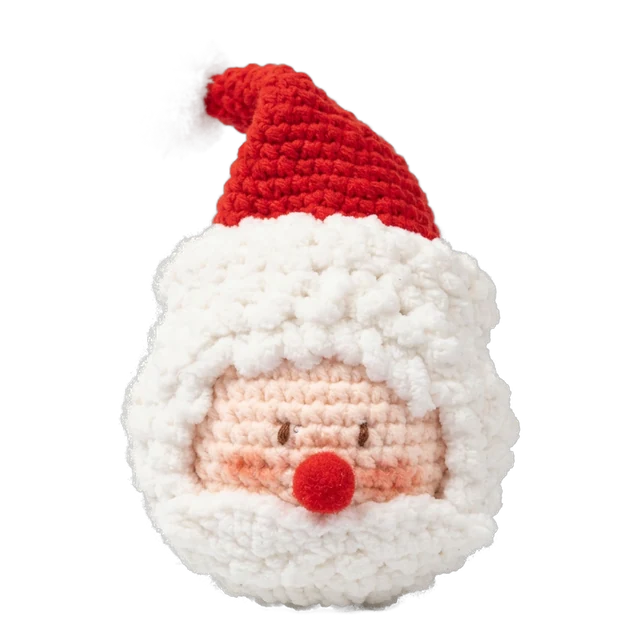
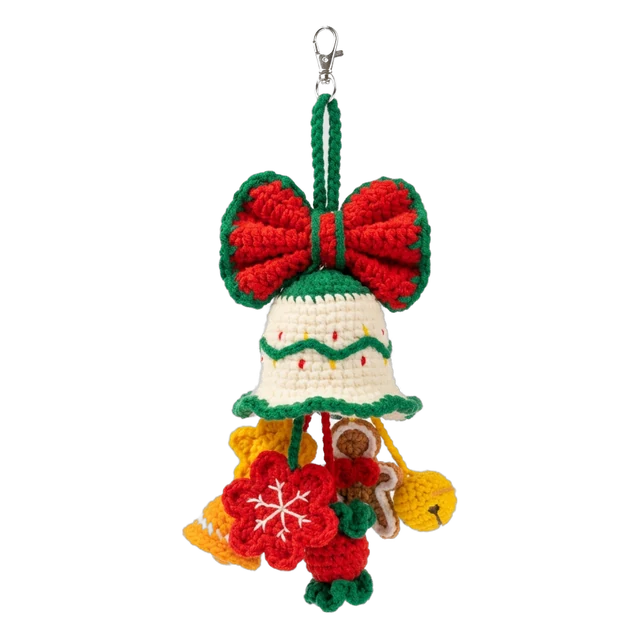
| Chenille-style yarn (our 2026 Christmas kits: Round Reindeer Face, Christmas Tree Hat, Santa Face and Christmas Bell Charm) | 100% polyester | 40 g | about 145 m |
What changes how much yarn a toy uses
| Factor | Effect on yarn |
|---|---|
| Finished size | Yarn grows with surface area: doubling the height of a round toy needs roughly four times the yarn. |
| Hook size and tension | A smaller hook or tighter tension makes denser fabric and uses more yarn for the same size. |
| Yarn thickness | Thicker yarn covers more area per stitch but has fewer metres per gram. |
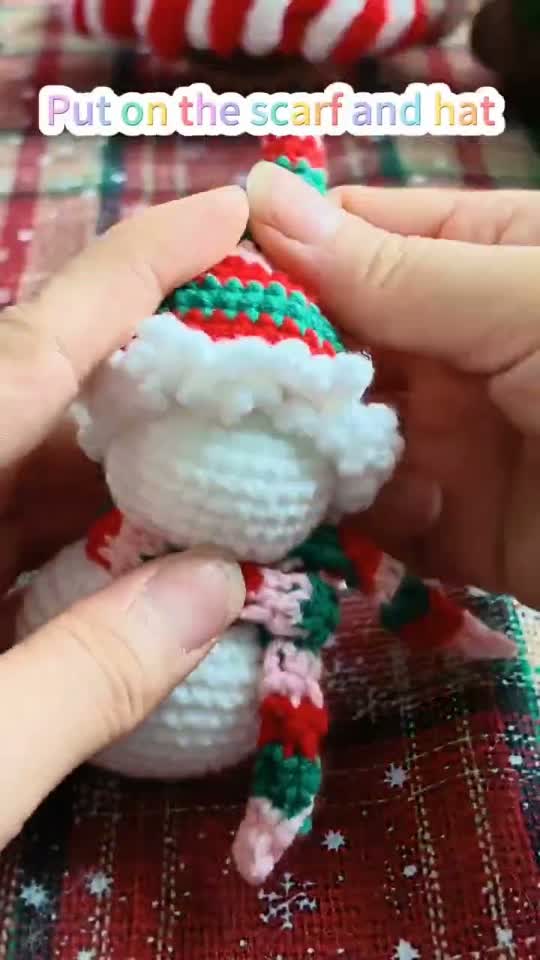
| Number of parts | Ears, arms, hats and scarves each add their own rounds plus sewing tails. |
| Colour changes | Each colour needs its own tail at the start and end. |
To choose a hook and check density, see crochet gauge, hooks and yarn and the best yarn for amigurumi. A Christmas crochet kit skips the maths: it includes the yarn the design needs.
Buying yarn from one dye lot
Yarn from different dye lots of the same colour can look slightly different side by side. When a project needs several skeins, buy all of them at once and check the dye-lot number on each label. Keep your leftover skein and its label; if you run out, the label is the quickest way to find a close match.
Starting with a kit instead
If you would rather not calculate yarn at all, a kit includes the amount the design calls for. Check the product page of any Forfunly DIY crochet kit for its listed materials, and read how to choose a crochet kit to compare what different kits contain. You can also download our free printable crochet charts for hook sizes, abbreviations and stitch counting.
Ready to make a project?
Try the tool on a small project. Each one is a DIY kit with all materials, the crochet hook and an English video tutorial.
Frequently asked questions
How do I know how much yarn a swatch used?
Weigh the finished swatch on a kitchen or jewellery scale that reads to 1 g or better, or unravel it and measure the yarn. Weighing is quicker; unravelling is better for very small swatches.
How big should my swatch be?
At least 10 × 10 cm (4 × 4 in), worked in the same stitch, yarn and hook as the project. A larger swatch gives a steadier estimate because edge stitches matter less.
Why add a safety margin?
Tension changes over a long project, dye lots can differ, and edgings or joins use extra yarn. A 10–15% margin is a common choice; buy from one dye lot where possible.
Can I use this for amigurumi?
Only roughly. Stuffed toys are 3D shapes with increases, decreases and many small parts, so a flat swatch does not describe them well. Weighing a finished piece or a similar toy is more reliable.
How much yarn does a small amigurumi need?
A toy of about 5–10 cm (2–4 in) usually needs less than one 40–50 g ball of the main colour plus small amounts of accent colours. Use the pattern or kit figure when it is given; otherwise weigh one finished part and scale up, then add 10–15%.
How many metres are in a 40 g ball of yarn?
It depends on the yarn, so read the label. The milk cotton in some of our kits is about 128 m per 40 g ball, and the chenille-style yarn in our 2026 Christmas kits is about 145 m per 40 g ball.
Should I use grams or metres?
Use whichever you measured for the swatch, and enter the skein amount in the same unit. Grams are easiest with a scale; metres or yards are best when comparing yarns of different fibres.
Can I convert grams of yarn to metres or yards?
Not from weight alone. You need the length and weight for that same yarn, such as 200 m per 100 g on its label. This calculator changes the input unit, not the yarn itself. Changing units clears the affected measurements so old values are not silently reused.
Does this calculator save my measurements?
No. The calculation runs in your browser and nothing you enter is sent or stored.
Last updated November 21, 2026 · Sources: calculations and notes by the Forfunly crochet team; every formula is shown on this page.
More free crochet tools and printables
- Photo to Crochet Pattern Generator — Turn a photo into a colour grid chart for tapestry, C2C or graph crochet. Choose the grid size and number of colours, then download the chart.
- Crochet Row Counter — Count rows or rounds and stitches with big buttons, get a reminder at each pattern repeat and keep separate counters for every project, saved in your browser.
- Filet Crochet Pattern Generator — Type a name or word and get a filet crochet chart of blocks and spaces, with row-by-row instructions and the foundation chain count. Download as PNG or text.
- Crochet Increase & Decrease Calculator — Spread increases or decreases evenly across a round or row, and plan a flat circle or a sphere round by round with exact stitch counts.
- Crochet Gauge Calculator — Compare your swatch with the pattern gauge, see which direction to change the hook and estimate stitches for a width.
- Crochet Hook Size Chart & Converter — Look up common regular hook sizes with metric and US labels, plus approximate old UK references. Confirm the printed millimeter size before choosing a hook.
- Yarn Weight Chart and Finder — Compare yarn categories 0–7, regional names and reference hook ranges. Use label details, wraps per inch or US single crochet gauge as clues, then check a swatch.
- Free printable crochet charts and checklists — abbreviations, hook sizes, yarn weights, symbols, increase charts, trackers and gift tags as PDFs.
- Crochet guides and learning paths — step-by-step lessons from the first chain to finishing an amigurumi.