Free crochet tool
Crochet Increase & Decrease Calculator
To increase evenly, spread the extra stitches across the round: going from 24 to 30 stitches means 6 increases, worked as (3 sc, inc) × 6. Enter the stitches you have and the stitches you need to get an evenly spaced instruction, or plan a flat circle or a stuffed ball round by round. Every result is checked against both counts.
US terms: sc = single crochet, inc = 2 sc in the same stitch, dec = single crochet two together (sc2tog). Nothing you enter is sent or stored.
Spread increases or decreases evenly
Plan a flat circle or a sphere
How to use the increase and decrease calculator
- To change a round evenly, choose rounds or rows, enter the stitches you have now and the stitches you need, and read the spaced instruction.
- To plan a shape, pick a sphere (ball, head, body) or a flat circle and the starting stitch count, usually 6 for amigurumi.
- Follow the table round by round and check the stitch total at the end of each round.
- Place a stitch marker in the first stitch of every round so the count stays easy to check.
How even spacing works
An increase in single crochet means two stitches worked into one stitch: it uses one stitch from the previous round and makes two. A decrease (sc2tog) works two stitches together: it uses two and makes one. To change a round evenly, first find how many changes you need, then share the plain stitches between them.
Example 1 — 30 to 39 stitches. You need 39 − 30 = 9 increases. They use 9 of the 30 stitches, which leaves 21 stitches to work as plain sc. Divide 21 by 9: the answer is 2, remainder 3. Three of the nine gaps need 3 sc and six need 2 sc. Spread the longer gaps through the round: (2 sc, inc, 2 sc, inc, 3 sc, inc) × 3 [39]. Check it: 3 × 4 + 6 × 3 = 30 stitches used, and 3 × 5 + 6 × 4 = 39 stitches made.
Example 2 — 34 down to 27 stitches. You need 34 − 27 = 7 decreases. Each one uses two stitches, so they use 14, leaving 20 plain sc. Divide 20 by 7: 2, remainder 6. Six of the seven gaps need 3 sc and one needs 2 sc: 2 sc, dec, (3 sc, dec) × 6 [27]. Check it: 6 × 5 + 4 = 34 used, 6 × 4 + 3 = 27 made. The longer gaps are spread through the round. Your stitch height and tension still affect the finished shape.
One round of increases can at most double the count, and one round of decreases can at most halve it. If your target is outside that range, the calculator says so instead of producing an impossible instruction.
Why a flat circle grows by six each round
Each round of a flat circle adds about one stitch height to the radius. The outer edge grows by roughly 2π times that height, which is a little over six single-crochet stitches. That is why most single-crochet circles start with 6 stitches in a magic ring and add 6 every round: 6, 12, 18, 24 and onward. Taller stitches need more: half double crochet circles commonly add 8 per round and double crochet circles 12.
If the circle ruffles like a frill, there are too many stitches for its size; if it cups upward like a bowl, there are too few or the tension is very tight. Count the round you just finished before changing anything. Our guide to crocheting a flat circle shows what each problem looks like and how to correct it.
A standard sphere, round by round
Amigurumi heads, bodies and balls are spheres built in three parts: increase rounds that make a flat base, even rounds that build the sides, and decrease rounds that mirror the increases. This is the common 6 → 36 → 6 sphere, worked in continuous rounds of single crochet. It is the same plan the calculator gives for a sphere with 6 increase rounds and 6 even rounds.
| Round | Instruction | Stitch count |
|---|---|---|
| Rnd 1 | 6 sc in magic ring | 6 |
| Rnd 2 | inc × 6 | 12 |
| Rnd 3 | (sc, inc) × 6 | 18 |
| Rnd 4 | (2 sc, inc) × 6 | 24 |
| Rnd 5 | (3 sc, inc) × 6 | 30 |
| Rnd 6 | (4 sc, inc) × 6 | 36 |
| Rnd 7–12 | sc in each st around | 36 |
| Rnd 13 | (4 sc, dec) × 6 | 30 |
| Rnd 14 | (3 sc, dec) × 6 | 24 |
| Rnd 15 | (2 sc, dec) × 6 | 18 |
| Rnd 16 | (sc, dec) × 6 | 12 |
| Rnd 17 | dec × 6 | 6 |
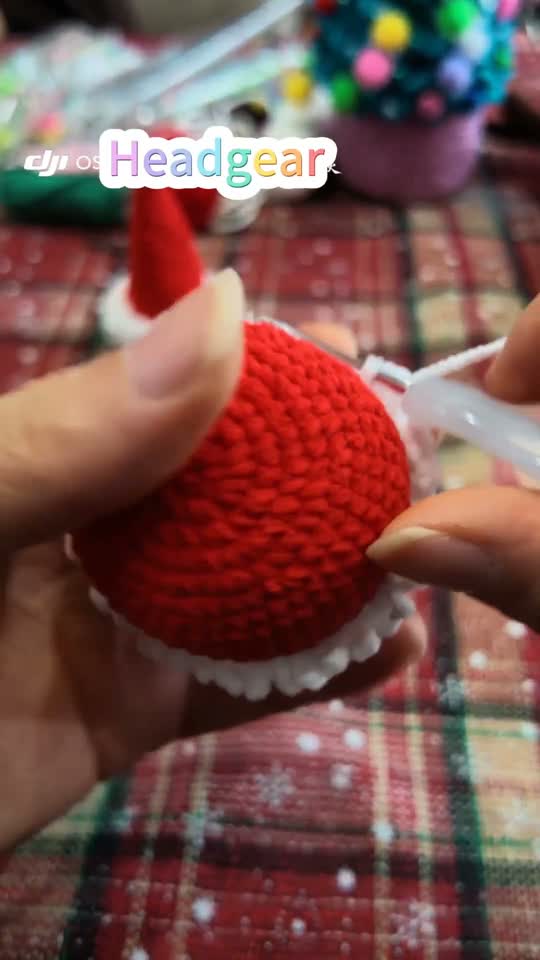
Start stuffing around round 14, while the opening is still wide, and keep adding small amounts as you close it. After the last round, fasten off, weave the tail through the front loops and pull the hole closed. More even rounds make an egg shape; fewer make a flatter bun. The sphere guide covers sizing, stuffing and closing in detail.
Stagger increases to keep circles round
When every increase sits directly above the one in the round below, the stacked increases form six corners and the circle turns into a hexagon. Staggering moves the start of the repeat by half a repeat on alternate rounds — for example sc, inc, (2 sc, inc) × 5, sc instead of (2 sc, inc) × 6. The counts are identical, but the starting position moves. This can help reduce aligned changes; it does not compare with a previous round or guarantee a perfectly round result. In rows, the calculator keeps a plain sc at both edges when the requested counts leave enough plain stitches, and explains when that is impossible.
Choosing a decrease
A standard single crochet decrease (sc2tog) inserts the hook into two stitches, pulls up a loop from each and finishes them together. The invisible decrease works through the front loops only of the two stitches and leaves a smaller bump, which is why many amigurumi patterns ask for it. Both use two stitches and make one, so the instructions here work for either. Practise both in single crochet increases and decreases.
Cones, cylinders and other shapes
The same arithmetic shapes more than circles. Stop increasing and work even rounds and you get a tube — see how to crochet a cylinder for arms, legs and bodies. Spread the increases out, for example a few per round or a round of increases every other round, and you get a cone for hats, noses and ears; how to crochet a cone explains the rate. Use the first calculator to write each of those rounds.
Keep count while you work
Place a stitch marker in the first stitch of each round and move it up as you go. Count when you reach the marker and compare with the number in brackets before starting the next round. To keep track on your phone, use the crochet row counter; to keep the plan on paper, print the crochet circle and sphere increase chart.
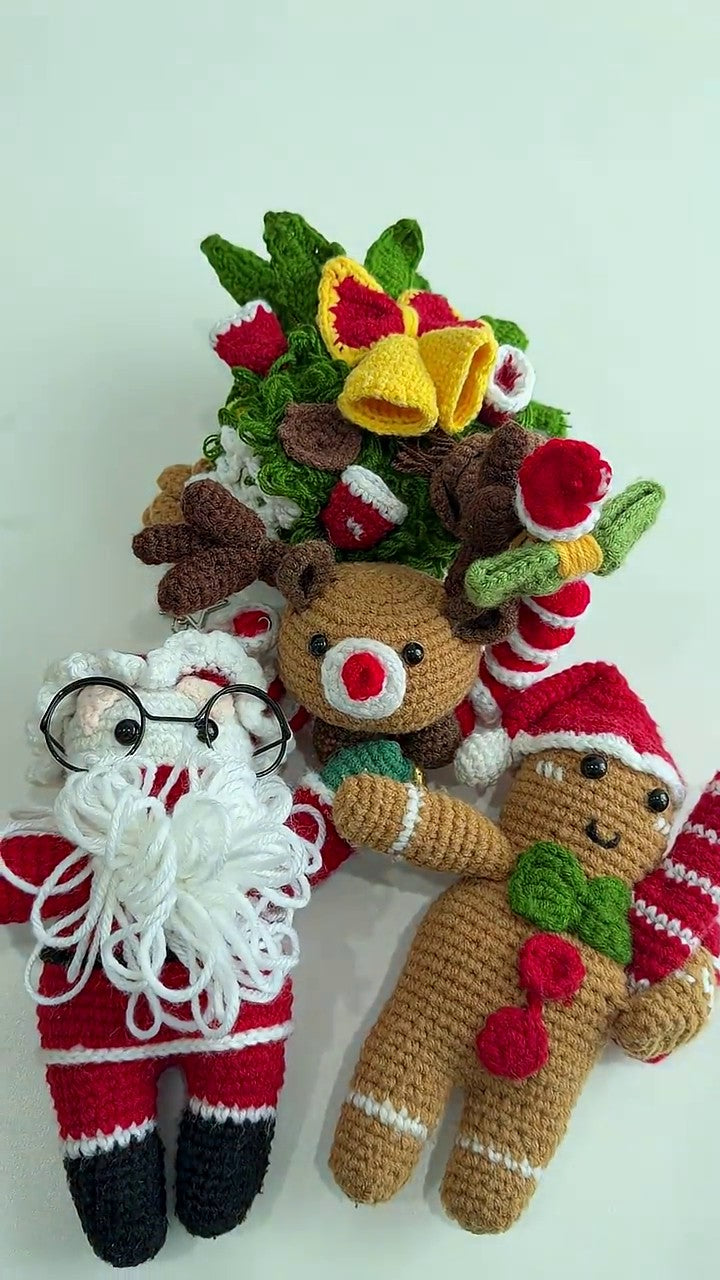
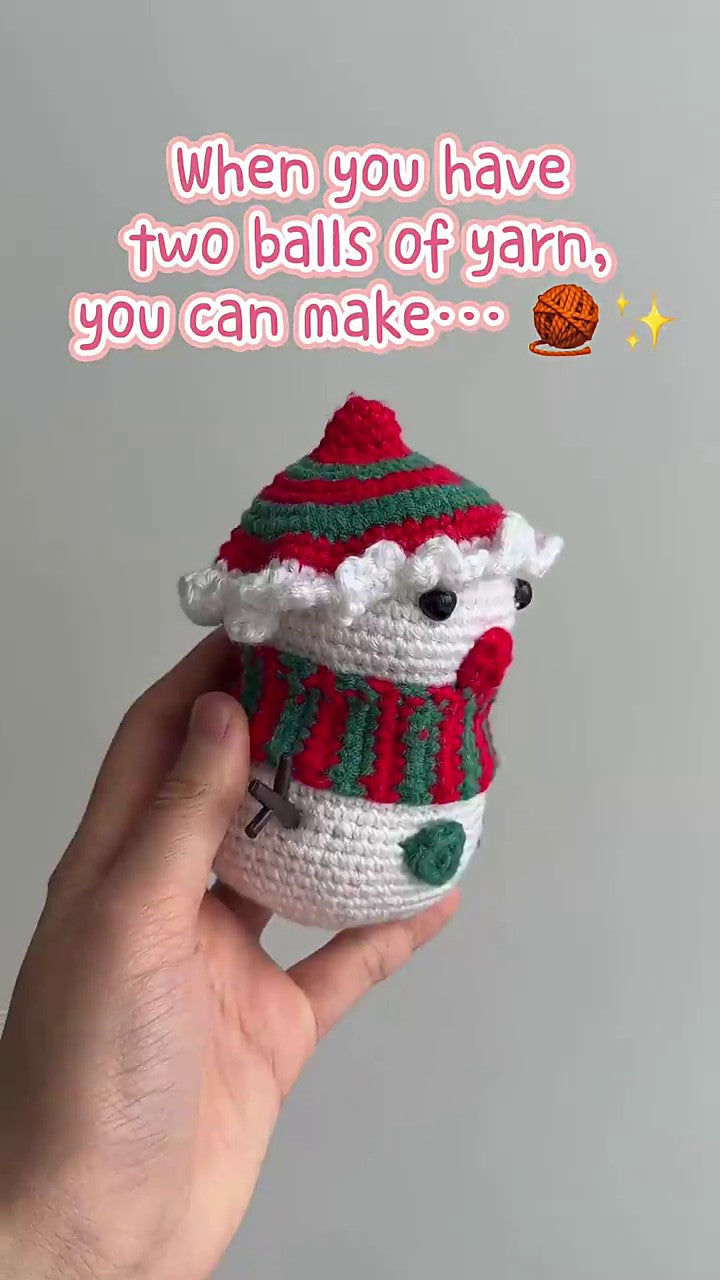
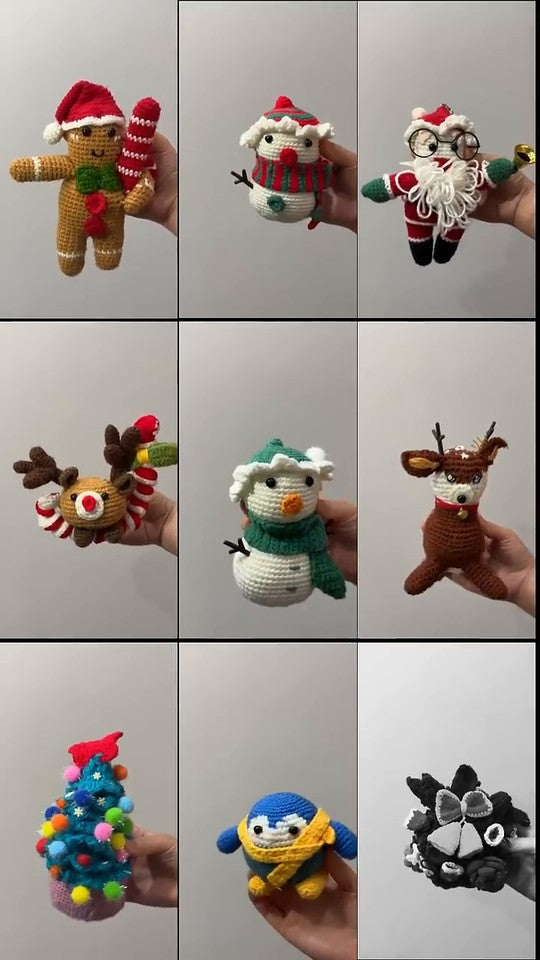
If you would rather start with a project whose rounds are already written, browse our DIY crochet kits and check each kit’s listed materials and instructions on its product page.
Ready to make a project?
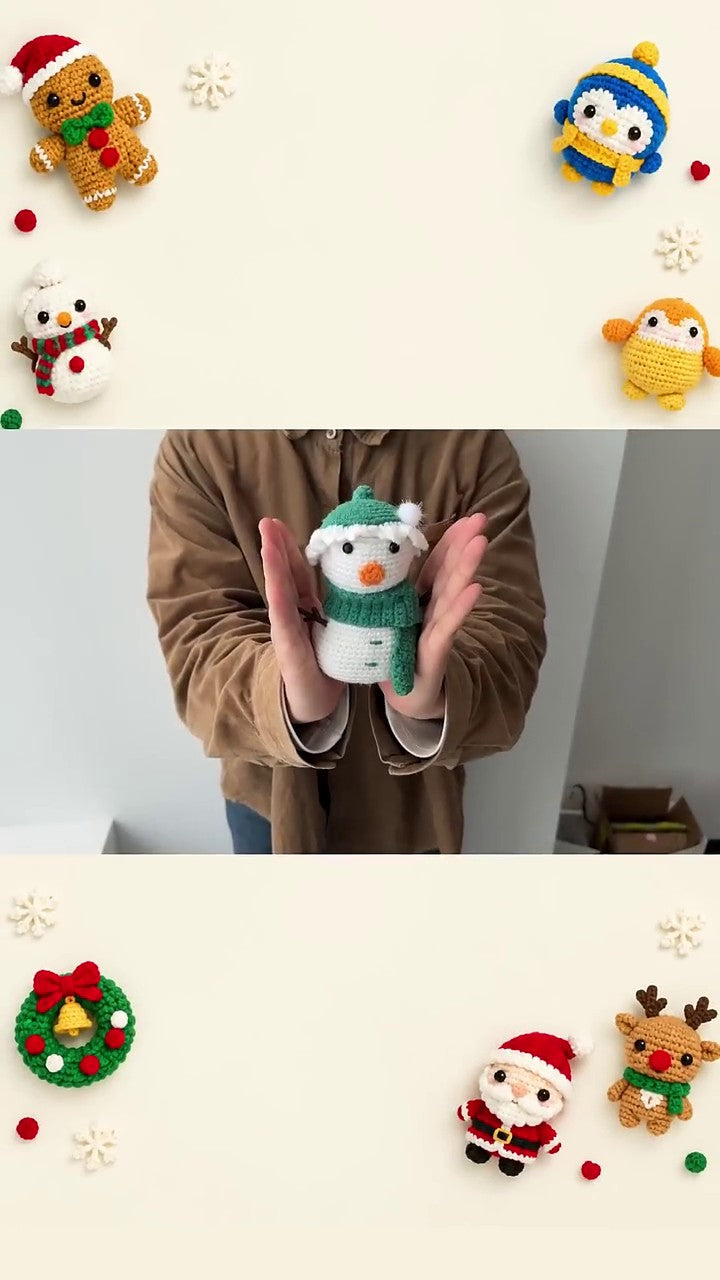
Try the tool on a small project. Each one is a DIY kit with all materials, the crochet hook and an English video tutorial.
Frequently asked questions
How do I increase evenly in crochet?
Subtract the current count from the target to find how many increases you need. Each increase uses one stitch, so the rest are plain stitches: divide them by the number of increases. The whole-number answer is the plain stitches before each increase, and the remainder tells you how many repeats get one extra stitch.
What does “(2 sc, inc) × 6 [24]” mean?
Work one single crochet in each of the next two stitches, then two single crochet into the following stitch. Do that six times. The 24 in brackets is the stitch count you should have at the end of the round.
How many stitches should a flat circle increase each round?
In single crochet, six per round is the usual rate, so a circle that starts with 6 stitches has 12, 18, 24 and so on. Some designers start with 8 for slightly taller stitches or a looser tension; follow your pattern if it says otherwise.
Why does my flat circle ruffle or curl up?
Ruffles mean too many stitches for the size of the circle, often from an extra increase or a hook that is too small. Curling up into a cup means too few stitches or very tight tension. Count each round, and try a slightly different hook if the count is right.
Can one round more than double the stitches?
Not with ordinary increases: putting two stitches into every stitch exactly doubles the count. To go further, spread the change over two rounds or work three stitches into some stitches. Likewise, sc2tog decreases can at most halve the count in one round.
Which decrease should I use for amigurumi?
Use the one your pattern names. Many amigurumi makers prefer the invisible decrease, worked through the front loops of two stitches, because it leaves a smaller bump than a standard sc2tog. Both use two stitches and make one, so the counts here are the same.
Do UK patterns use the same numbers?
The arithmetic is the same, but the stitch names differ: a US single crochet is a UK double crochet. A UK pattern may write “2 dc in next st” for the increase this calculator writes as “inc”.
Last updated November 21, 2026 · Sources: calculations and notes by the Forfunly crochet team; every formula is shown on this page.
More free crochet tools and printables
- Photo to Crochet Pattern Generator — Turn a photo into a colour grid chart for tapestry, C2C or graph crochet. Choose the grid size and number of colours, then download the chart.
- Crochet Row Counter — Count rows or rounds and stitches with big buttons, get a reminder at each pattern repeat and keep separate counters for every project, saved in your browser.
- Filet Crochet Pattern Generator — Type a name or word and get a filet crochet chart of blocks and spaces, with row-by-row instructions and the foundation chain count. Download as PNG or text.
- Crochet Gauge Calculator — Compare your swatch with the pattern gauge, see which direction to change the hook and estimate stitches for a width.
- Crochet Hook Size Chart & Converter — Look up common regular hook sizes with metric and US labels, plus approximate old UK references. Confirm the printed millimeter size before choosing a hook.
- Yarn Weight Chart and Finder — Compare yarn categories 0–7, regional names and reference hook ranges. Use label details, wraps per inch or US single crochet gauge as clues, then check a swatch.
- Yarn Calculator: How Much Yarn Do I Need? — Estimate yarn for a project from your own swatch: weigh or measure the yarn in a sample, enter the project size and get skeins with a safety margin.
- Free printable crochet charts and checklists — abbreviations, hook sizes, yarn weights, symbols, increase charts, trackers and gift tags as PDFs.
- Crochet guides and learning paths — step-by-step lessons from the first chain to finishing an amigurumi.