Forfunly crochet guides
Crochet vs Knitting: Differences for Beginners
The two crafts both turn yarn into fabric, but they hold stitches in different ways. That one difference explains most of what beginners notice.
Guide updated
What should you check first?
Crochet uses one hook and keeps only one live loop at a time, so a mistake can be pulled out back to that stitch and each stitch is finished before the next. Knitting uses two needles that hold a whole row of live stitches. Crochet suits stuffed toys and firm 3D shapes; knitting suits stretchy, drapey fabric such as sweaters and socks.
Crochet and knitting side by side
The table compares the two crafts for someone choosing which to learn first.
| Crochet | Knitting | |
|---|---|---|
| Main tool | One hook | Two needles (or a circular needle) |
| Live stitches | One loop on the hook | Every stitch of the row sits on a needle |
| If you make a mistake | Pull the yarn back to the mistake; only one loop can come loose | Live stitches can drop and run down; you pick them up or unpick stitch by stitch |
| Fabric | Thicker and firmer, holds a shape | Thinner, stretchier and drapier |
| Working in the round | A magic ring and one hook make small circles and balls | Small circles need double-pointed or circular needles |
| Often used for | Amigurumi toys, baskets, granny squares, ornaments | Sweaters, socks, fine scarves |
Is crochet easier than knitting?
Neither is easy on the first day; both need practice to keep the tension even. Many beginners find it simpler that crochet has one hook and one live loop: you can put the work down without stitches falling off, and you see each stitch finished before you start the next.
Knitting has two basic stitches, knit and purl, and many garment patterns use only those. If your goal is a sweater or socks, learning to knit first makes sense.
Why stuffed toys are usually crocheted
Amigurumi, small stuffed characters, are worked in tight single crochet rounds. The dense fabric keeps the stuffing hidden, and increases and decreases shape balls, ovals and cones with one hook. If you want to make a small toy or ornament first, start with crochet.
What you need to start each craft
Crochet: a hook, yarn, scissors and a blunt yarn needle. Knitting: a pair of needles, yarn, scissors and a yarn needle. For either, a smooth light-colored yarn makes stitches easier to see.
Try crochet with a small kit
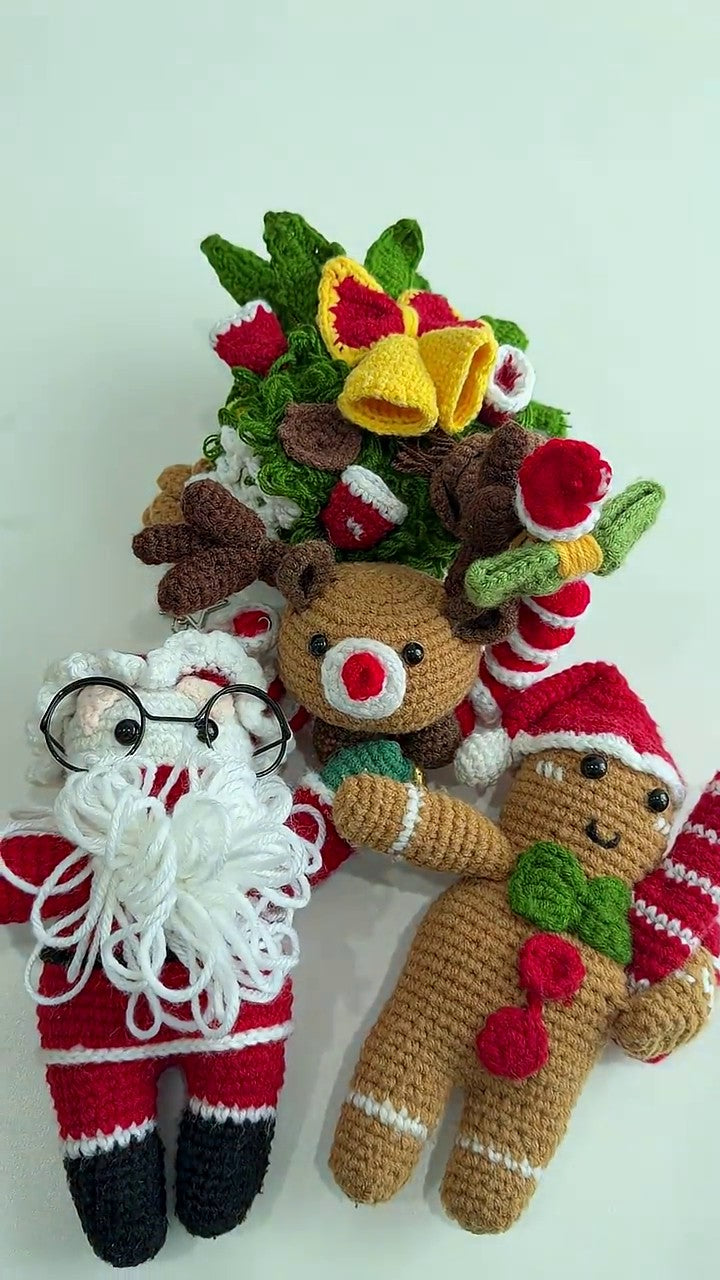
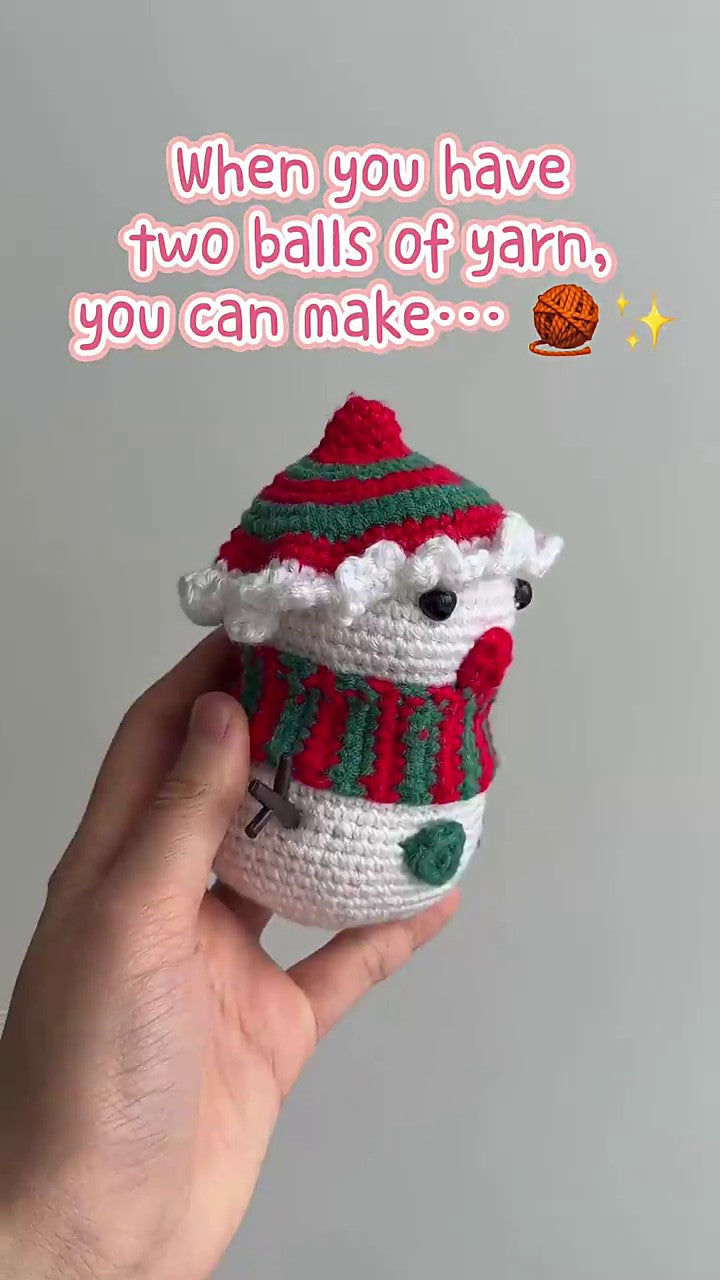
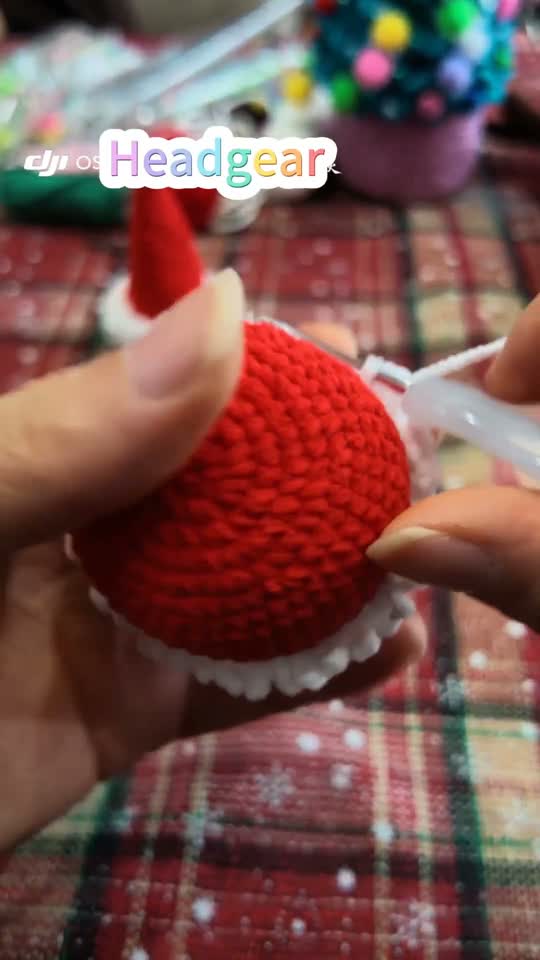
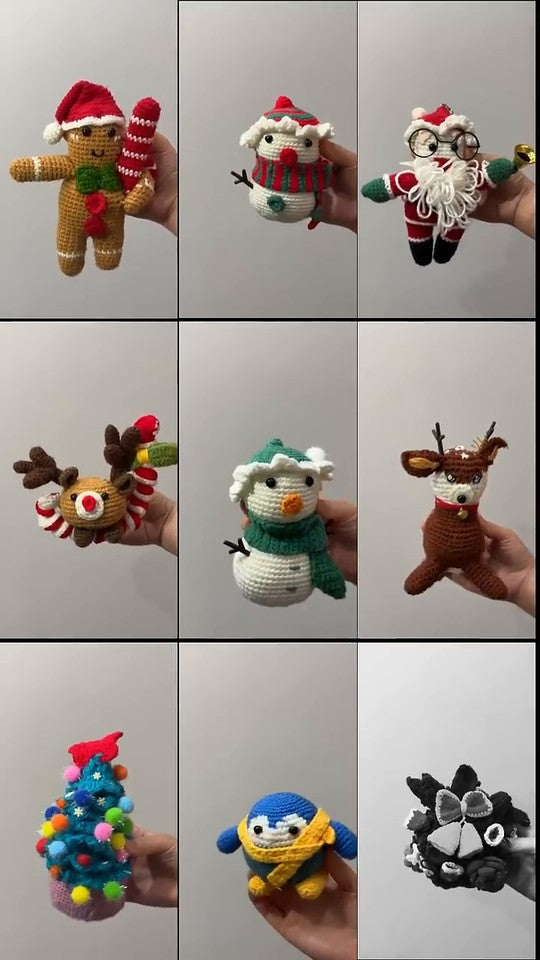
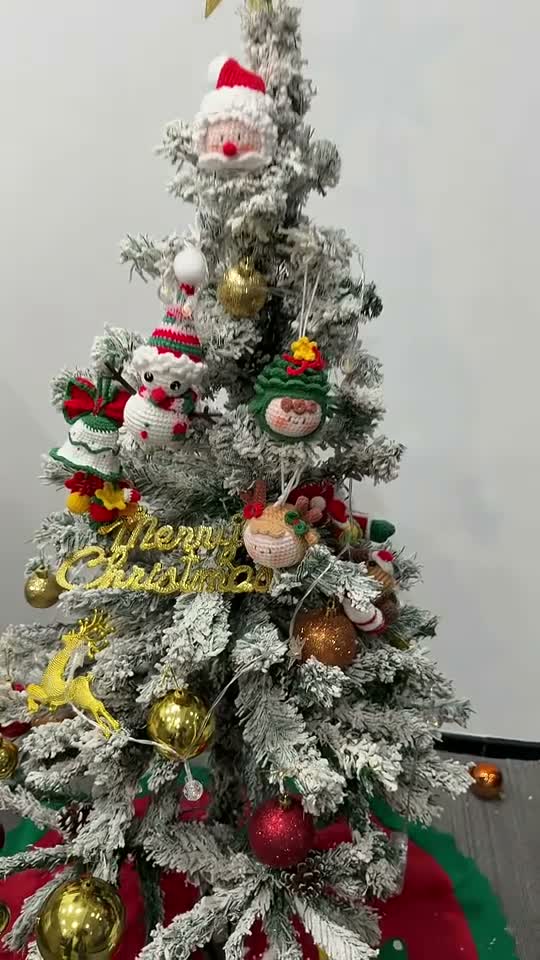
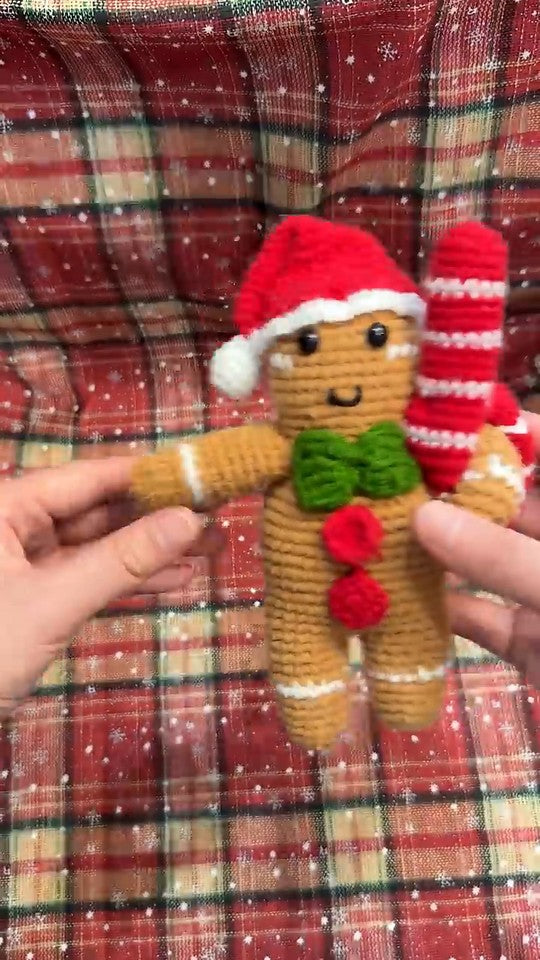
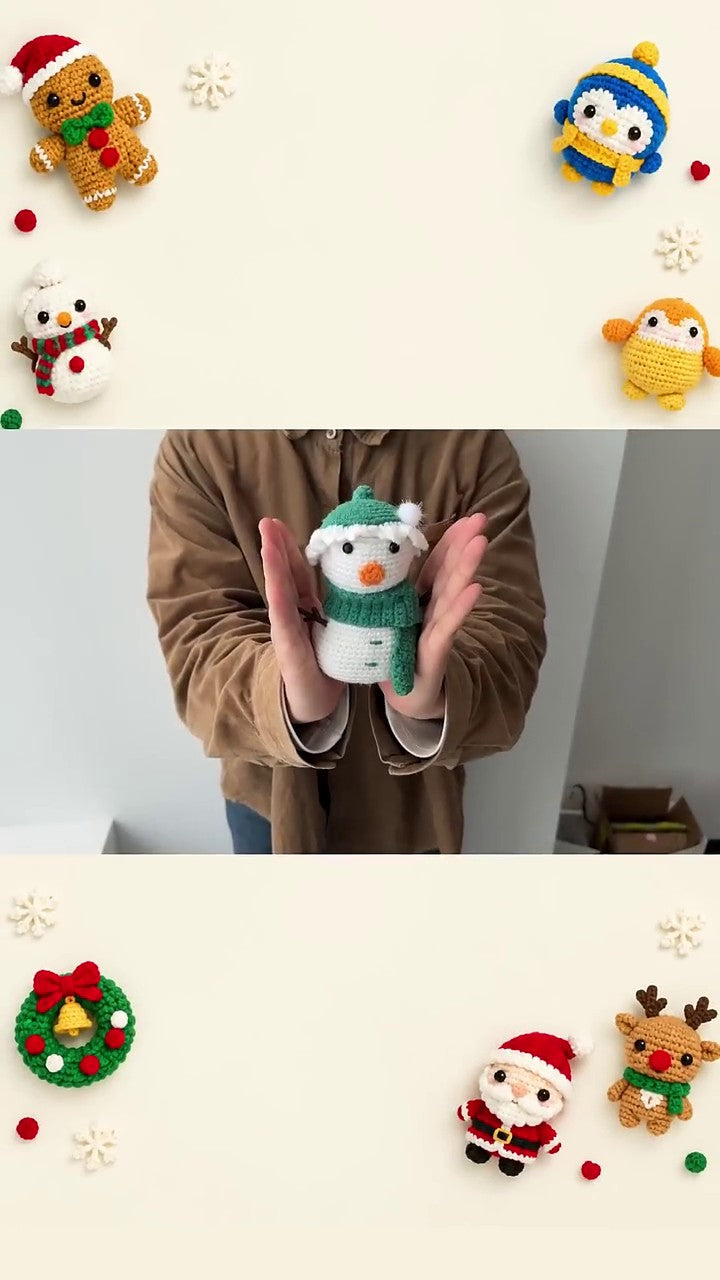
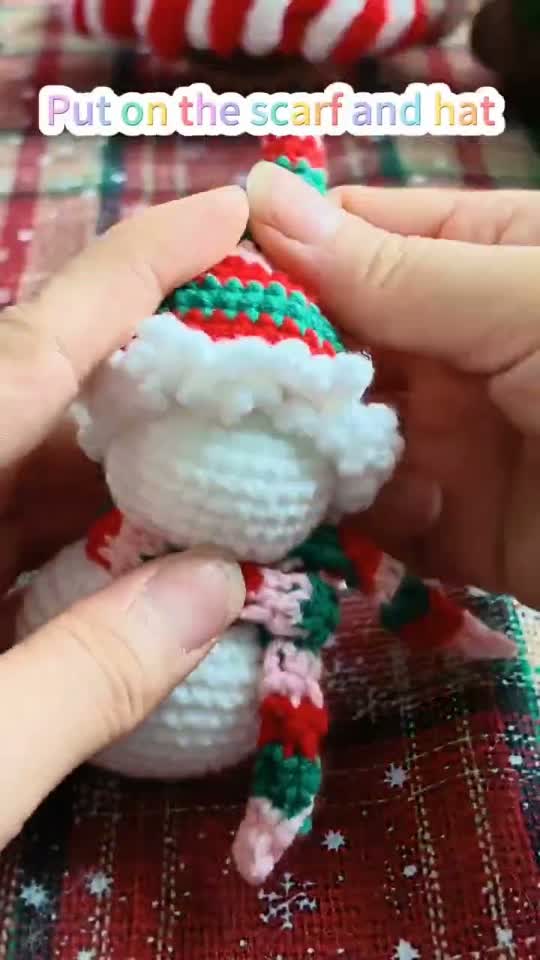
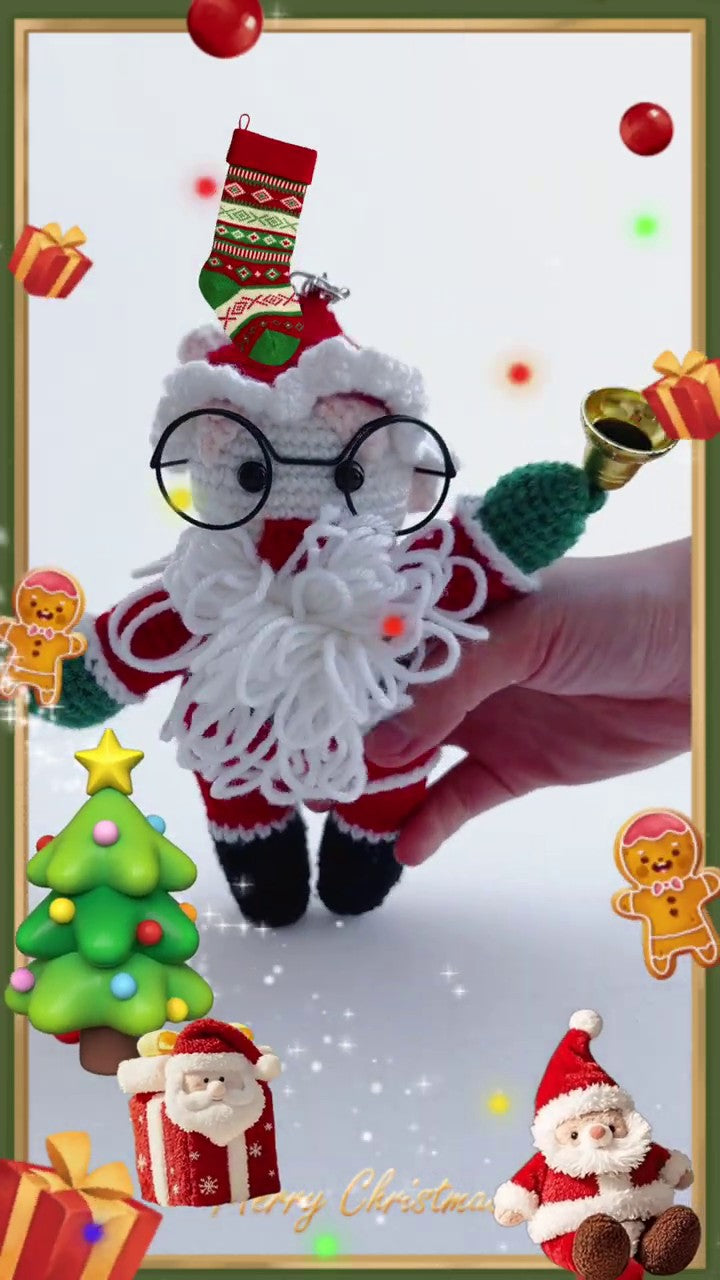
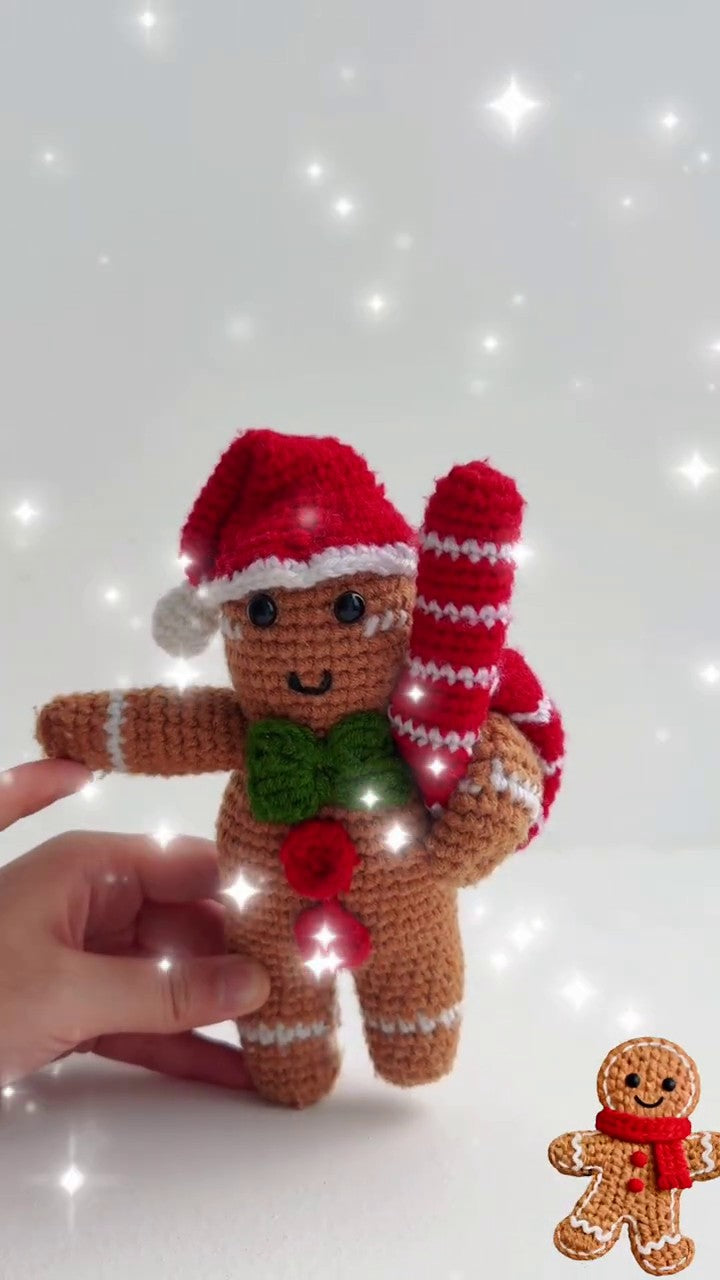
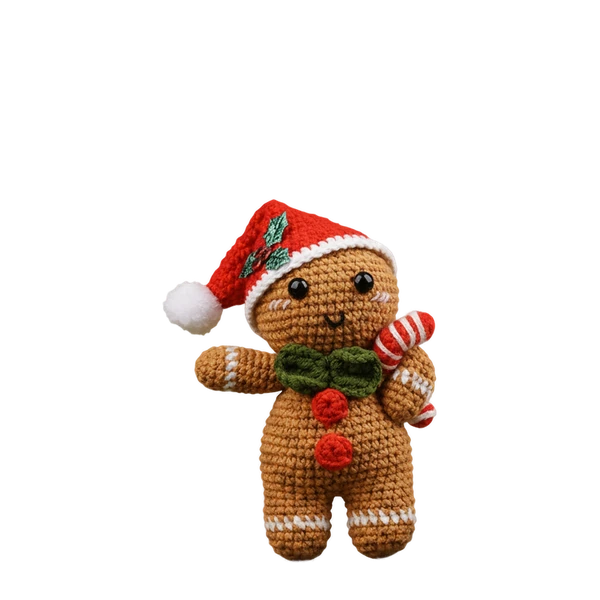
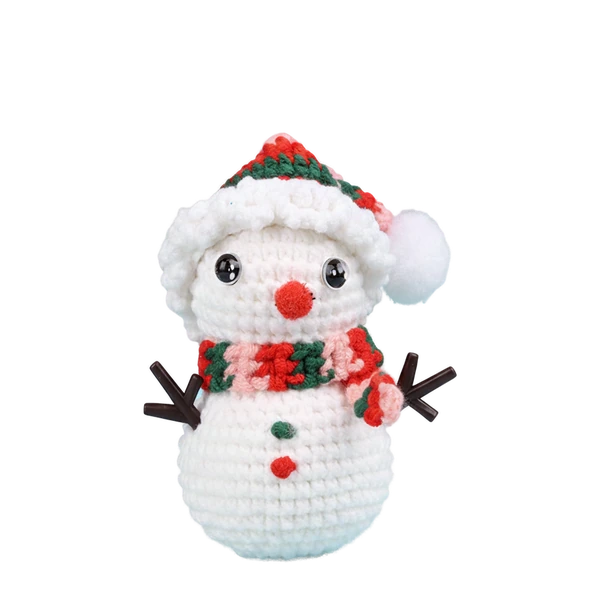
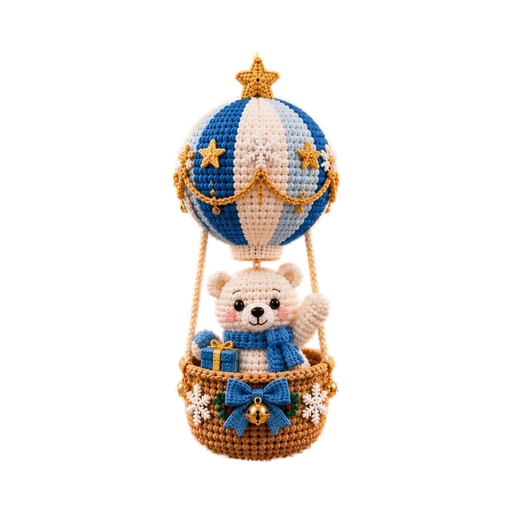
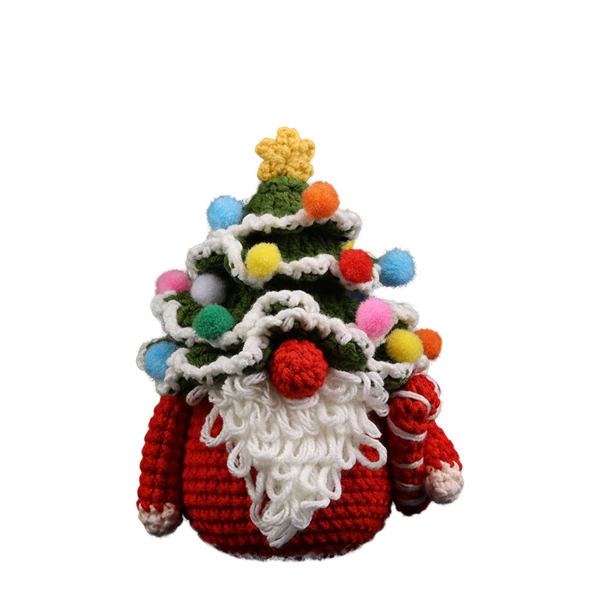
These DIY kits include the hook, yarn and instructions for one small piece. You crochet it yourself; the photos show an example.


Frequently asked questions
Is crochet or knitting easier for beginners?
Many beginners find crochet easier to manage because there is one hook and only one live loop, so stitches cannot slip off a needle. Knitting has only two basic stitches. Choose by what you want to make.
Is crochet faster than knitting?
It depends on the stitch, the yarn and your practice. Taller crochet stitches such as double crochet add height quickly, but we do not give a time comparison because pace varies so much.
Can you learn both crochet and knitting?
Yes. The yarn, labels and many finishing skills are shared. Learning one first makes reading yarn labels and weaving in ends familiar for the other.
Which is better for amigurumi?
Crochet. Amigurumi patterns are written for a hook, worked in tight rounds of single crochet so the stuffing does not show. How to start amigurumi →
Does Forfunly sell knitting kits?
No. Our DIY kits are crochet kits. Each one includes the hook its pattern uses. Shop DIY crochet kits →
Find your next crochet design
Choose a project to make. Check the selected option before ordering.
- How to Crochet for Beginners: Step by Step
- Learn with a US single crochet practice square
- Ask about a product’s contents or instructions
Before ordering, read the current shipping and returns information.
Further learning
For stitch names, see the Craft Yarn Council crochet abbreviations. For difficulty, see its project skill levels. Follow the pattern for your project. Check the product page for what you will receive.
Explore all crochet guides →